Bu araştırma raporu, Yurttaşlık Derneği (hYd) ve Dissensus Araştırma tarafından Uluslararası Çalışma Örgütü'nün (ILO) desteğiyle sağlanan “Özel Eğitim Sektöründe Adalet: Özel Okul Öğretmenlerinin Çalışma Koşulları ve Mücadelesi” başlıklı araştırma projesi kapsamında hazırlanmıştır. Araştırma projesi Türkiye'deki özel sektörlerin karşılaştığı olayları araştırmayı ve analiz etmeyi, çözüm önerilerini geliştirmeyi; Sendikal mücadelesi ile...
-
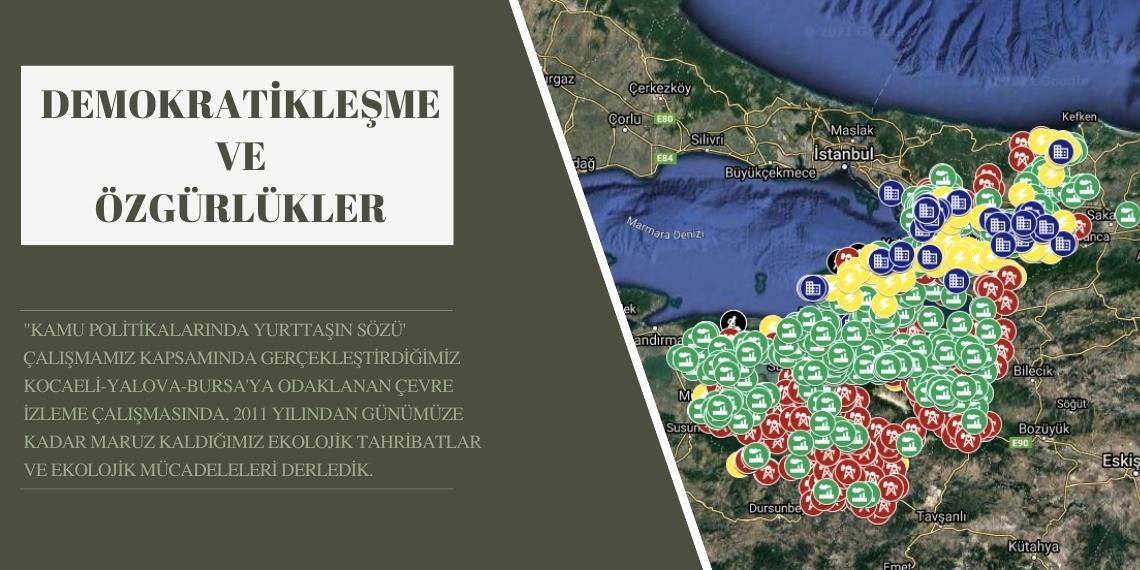
bursaenvanterslider.jpg
-
3.png
-
Toplumsal_Catsmalarda_Sivil_Yaklasmlar.png
-
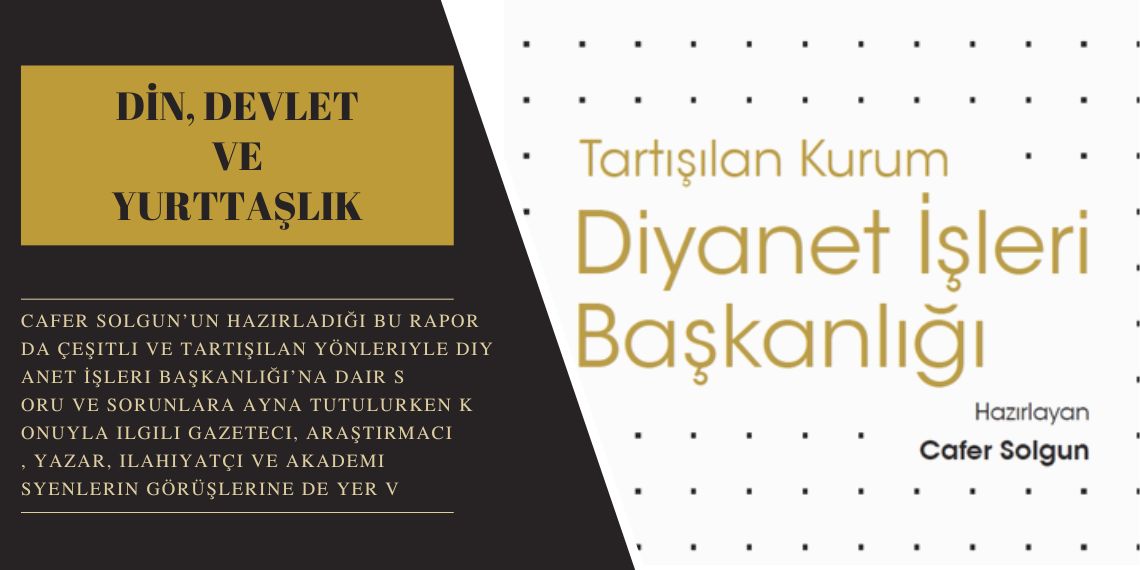
Tartisilankurumdiyanet_slider.jpg
-
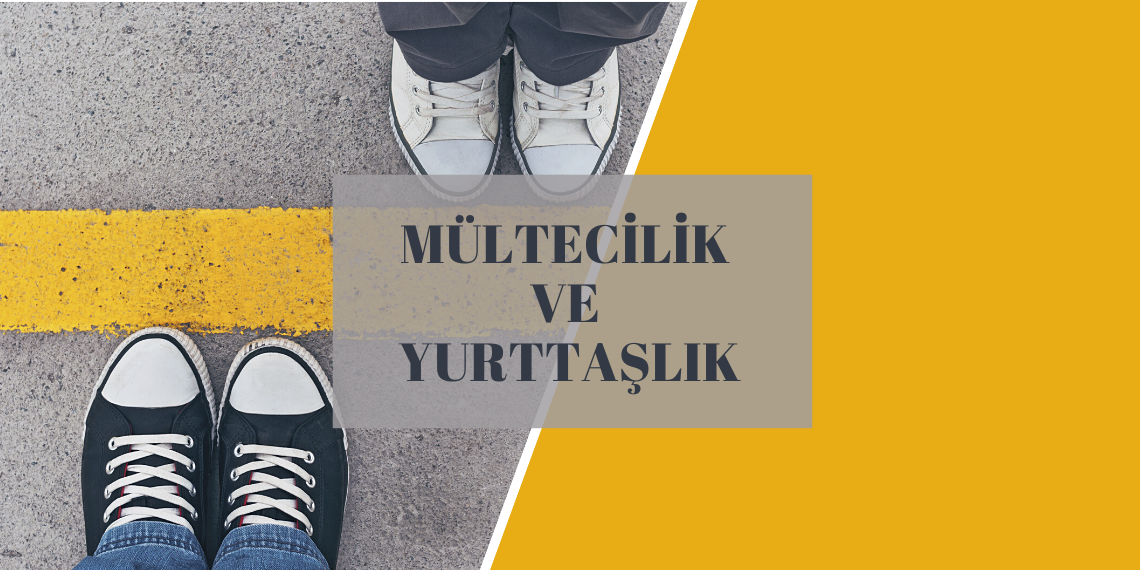
9.png
Anasayfa Slider
bursaenvanterslider.jpg
3.png
https://www.hyd.org.tr/tr/calismalar/savunuculuk-calismalarinda-yontem-ve-taktikler
Toplumsal_Catsmalarda_Sivil_Yaklasmlar.png
https://www.hyd.org.tr/tr/calismalar/toplumsal-catismalarda-sivil-yaklasimlar
Tartisilankurumdiyanet_slider.jpg
tr/calismalar/tartisilan-kurum-diyanet/1163-tartisilan-kurum-diyanet-i-sleri-baskanligi
9.png
https://www.hyd.org.tr/tr/calismalar/multecilik-ve-yurttaslik


Kaz Dağları ve Edremit Körfezi coğrafyasında üretimde kullanılan tehlikeli kimyasalların ve diğer plastik ambalajların azaltılması için, havza performansında sosyo-ekolojik olarak güvenli, kullanım esaslı bir atık yönetim stratejisi geliştirme çabası yaklaşık beş yıldır sürüyor. Yönetim, pestisit üretici ve bayileri, üniversiteler, meslek odaları, merkezi ve yerel...

2023 yılı Ekim ayında, Daha Çok Sorumluluk Daha Az Plastik çalışması kapsamında yapılan araştırmaların yer aldığı Saha Araştırma Raporu İngilizceye tercüme edilerek uluslararası literatüre kazandırıldı. Birleşmiş Milletler Kalkınma Programı (UNDP) Küresel Çevre Fonu Küçük Destek Programı (GEF-SGP) tarafından desteklenen çalışmanın 1. fazında 600'e yakın üretici ile yapılan görüşmelerden süzülen Rapor, çalışmanın 2. fazında...

Kazdağları ve Edremit Körfezi’nde zehirli zirai madde ambalajları ve zirai plastiklerin oluşturduğu kirliliğinin giderilmesi, bu atıkların insan sağlığına ve doğaya mümkün olan en asgari düzeyde zararla bertarafı için havza ölçekli, katılımcı bir strateji geliştirme yaklaşımı, 2025 yılı Haziran ayında Akçay’da düzenlenen çalıştayda ele alınmıştı. Sivil toplum örgüt ve...

Kazdağları ve Edremit Körfezi’nde pilot bir uygulama için eylem planı/yol haritası oluşturulması hedefiyle 14 Aralık 2025 tarihinde Gömeç Belediyesi Meclis Salonu’nda bir toplantı gerçekleştirildi. Toplantıda tarafların işbirliği ile Edremit Körfezinde pestisit atıklarının yönetimi için pilot bir uygulama zemini ortaya çıktı.

Kazdağları ve Edremit Körfezi havzasında tarımsal üretimde kullanılan tehlikeli kimyasalların ve diğer plastik ambalajlarının azaltılması için, havza ölçeğinde sosyo-ekolojik olarak güvenli , katılımcılık esaslı bir atık yönetim stratejisi geliştirme çabası yaklaşık 5 yıldır sürüyor. Bu çalışma, Yurttaşlık Derneği’nin yürütücülüğünde, havzadaki sivil toplum örgütleri [Çanakkale...


- Anasayfa
- Yurttaşlık Derneği
- Çalışmalar
- Haberler
- Yayınlar
- saha Dergisi
- English
Yurttaşlık Derneği
Gümüşsuyu Mah. Ağa Çırağı Sokak No: 7 Pamir Apt. Daire: 3 34437 Gümüşsuyu – Beyoğlu - İstanbul
Tel: 0 212 292 68 42-43 Faks: 0 212 292 68 44
E-mail: [email protected]